Yara Lange · 2 September 2026
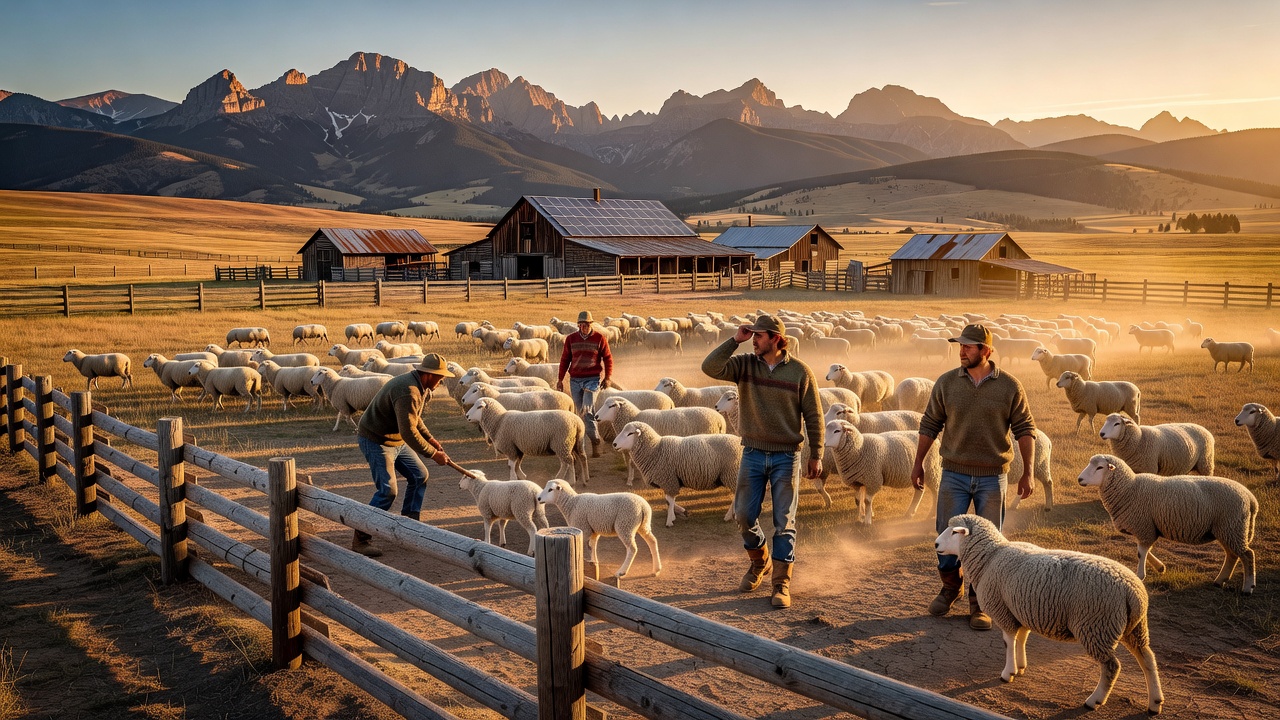
The expansion of sustainable wool sourcing is gaining momentum across numerous ranches in Montana, providing high-quality fiber for the yarn crafting and fiber arts communities. Ranchers are increasingly adopting practices that prioritize environmental stewardship while maintaining the health of their sheep herds. This shift supports both ecological balance and the growing demand for responsibly produced materials among fiber artists.
Regenerative Grazing Techniques
Ranchers in Montana are implementing regenerative grazing techniques that help restore soil health and biodiversity. These methods involve rotating sheep across pastures to prevent overgrazing and promote grass regrowth. By doing so, they reduce erosion and enhance carbon sequestration in the soil. Many ranches have reported improved wool quality as a result of healthier sheep living in balanced ecosystems. Local cooperatives are forming to share knowledge and resources, accelerating the adoption of these sustainable approaches throughout the region. Educational outreach programs now train newer ranch operators on monitoring pasture conditions and adjusting herd movements seasonally for optimal results.
Water conservation measures complement these efforts, with many operations installing efficient irrigation systems and protecting riparian zones. Such steps minimize runoff and preserve habitats for local wildlife, aligning wool production with broader conservation goals in the state.
Supply Chain Improvements for Fiber Artists
The growth in sustainable sourcing has positive implications for fiber artists who rely on Montana wool for their projects. Yarn producers are now able to trace the origins of their materials more effectively, ensuring ethical treatment of animals and minimal environmental impact. This transparency appeals to crafters seeking eco-friendly options for knitting, weaving, and other fiber arts. Workshops and educational programs are emerging to teach artisans about the benefits of using sustainably sourced wool, fostering a deeper connection between producers and consumers. Economic benefits are also evident as more jobs are created in rural areas dedicated to wool processing and distribution. Partnerships between ranches and small mills have streamlined logistics, reducing transportation emissions while delivering consistent fiber lots suitable for hand-dyeing and specialty yarns. Overall, these developments strengthen the resilience of Montana's fiber supply chain for years ahead.