Mara Hayes · 2 September 2026
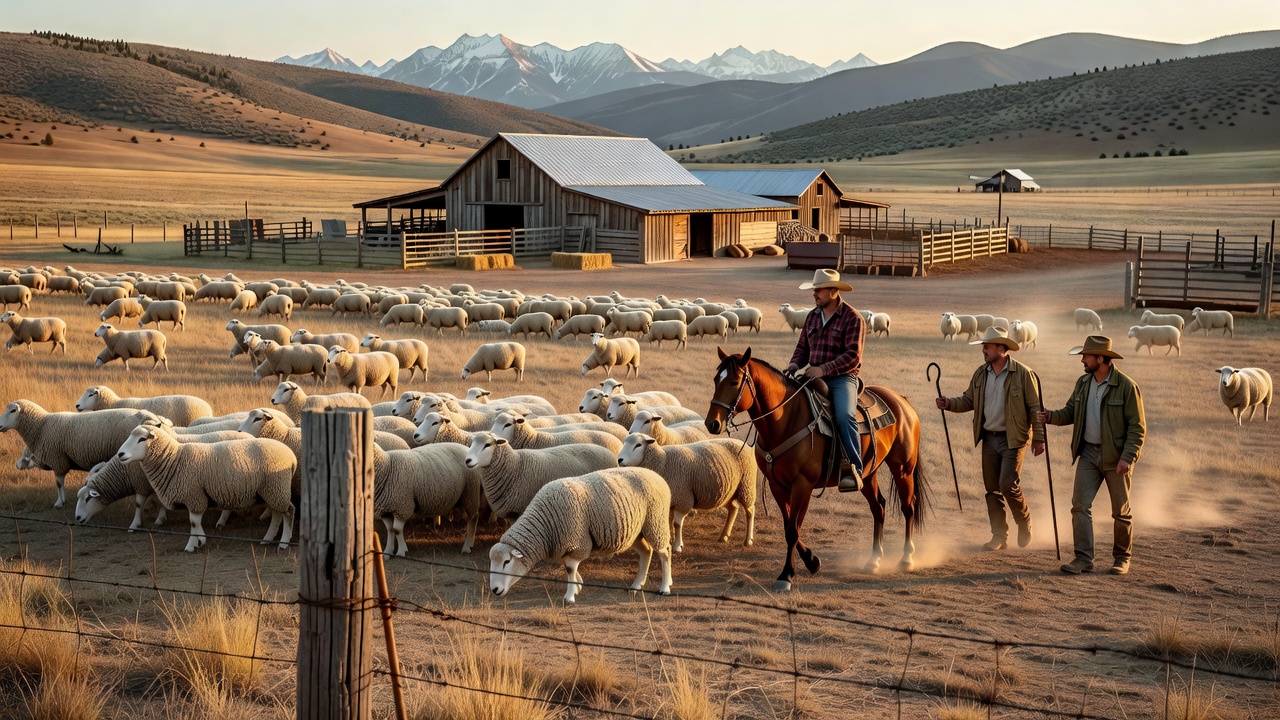
Sustainable wool sourcing continues to grow across Montana ranches, driven by increasing demand from fiber artists and yarn producers seeking ethically raised materials. Ranchers in the region have adopted regenerative grazing methods that improve soil health and reduce water usage while maintaining high fleece quality suitable for spinning and dyeing.
Adoption of Regenerative Practices
Many operations now rotate sheep across pastures to prevent overgrazing and promote native grass recovery. This approach has led to measurable increases in carbon sequestration on participating lands. Producers report stronger fiber staples and reduced need for chemical inputs, resulting in wool that meets certification standards for organic and responsible sourcing. Local cooperatives have formed to pool resources for processing facilities that minimize transport emissions before the wool reaches mills.
These changes align with broader industry shifts toward traceability. Buyers in the yarn crafting sector can now access batch-specific data on ranch conditions and animal welfare through digital platforms. Smaller ranches benefit from shared equipment and training programs that lower barriers to entry for sustainable certification.
Effects on Fiber Arts Community
Yarn spinners and knitters gain access to consistent supplies of Montana wool with documented low environmental impact. Workshops across the state have incorporated sessions on processing fleece from these ranches, highlighting how sustainable methods preserve natural lanolin content and color variation prized in hand-dyed projects. Market data shows a steady rise in direct-to-artist sales, supporting both ranch viability and creative fiber work. Continued expansion depends on weather resilience and ongoing investment in local infrastructure.