Taylor Griffin · 2 September 2026
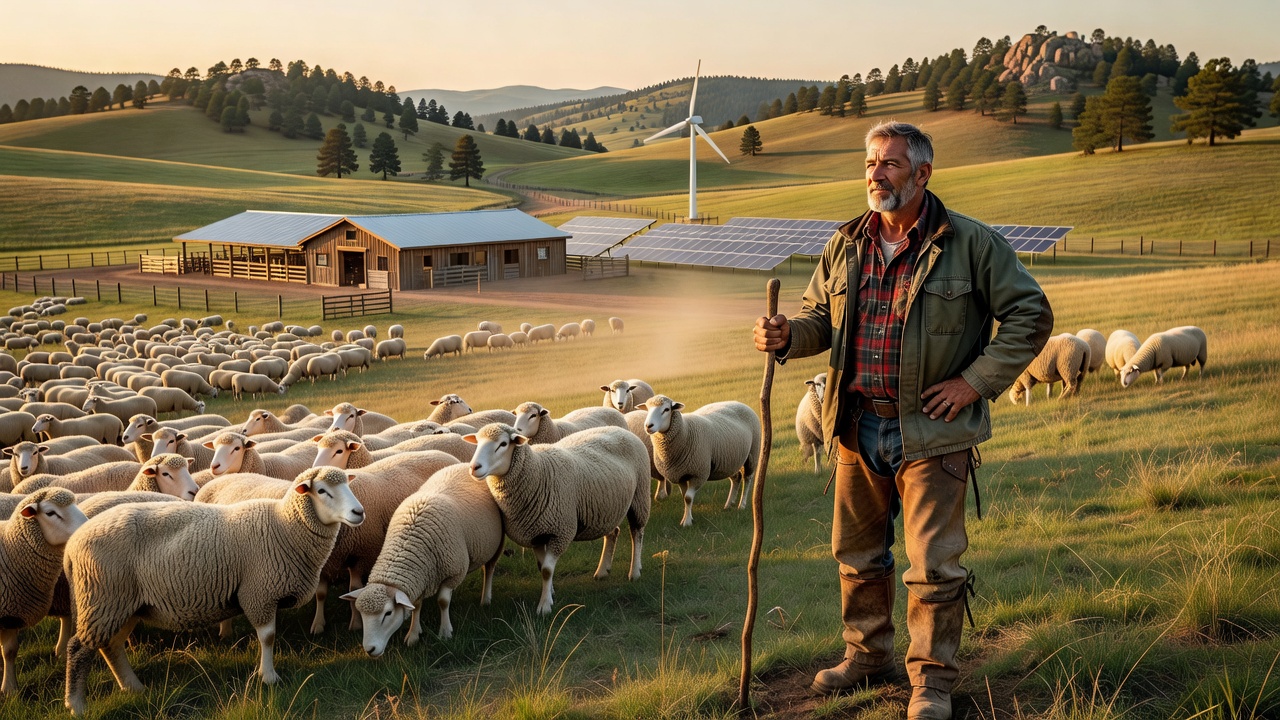
Across the vast landscapes of Montana, an increasing number of ranches are embracing sustainable methods for sourcing wool. This expansion reflects a broader commitment to environmental responsibility within the agricultural sector. As fiber enthusiasts seek out materials that align with their values, these developments provide new opportunities for ethical crafting practices. Demand from yarn crafters has accelerated the transition toward regenerative approaches on family-owned operations.
Expansion of Eco-Friendly Ranching Techniques
Ranchers are implementing advanced grazing strategies that allow grasslands to recover naturally. By rotating livestock across pastures, they maintain healthy ecosystems while producing high-quality wool. Water conservation efforts and reduced fertilizer application further contribute to the sustainability of these operations. Partnerships with research institutions have introduced innovative breeding programs focused on resilient sheep breeds suited to Montana's climate. These changes have resulted in wool that is not only softer but also more consistent in staple length, benefiting handspinners and machine knitters alike. Certification processes ensure transparency, allowing buyers to trace the origin of their yarn back to specific ranches. The adoption rate has risen steadily over the past five years, with dozens of new operations joining each season. This holistic approach not only benefits the environment but also improves the overall health of the flocks.
Advantages for Crafters and Local Economies
Fiber artists gain access to premium, responsibly produced materials that enhance the appeal of their handmade items. Community events and online platforms are promoting these Montana wools, fostering connections between producers and consumers. Economically, the shift supports rural communities by creating jobs in wool processing and distribution. Long-term projections suggest that sustained growth in this area could lead to greater stability in the natural fiber market, encouraging more individuals to explore yarn crafting as a hobby or profession. Continued innovation in sustainable sourcing promises to elevate the standards of the entire fiber arts industry. Workshops teaching sustainable yarn selection are becoming popular among crafters nationwide.